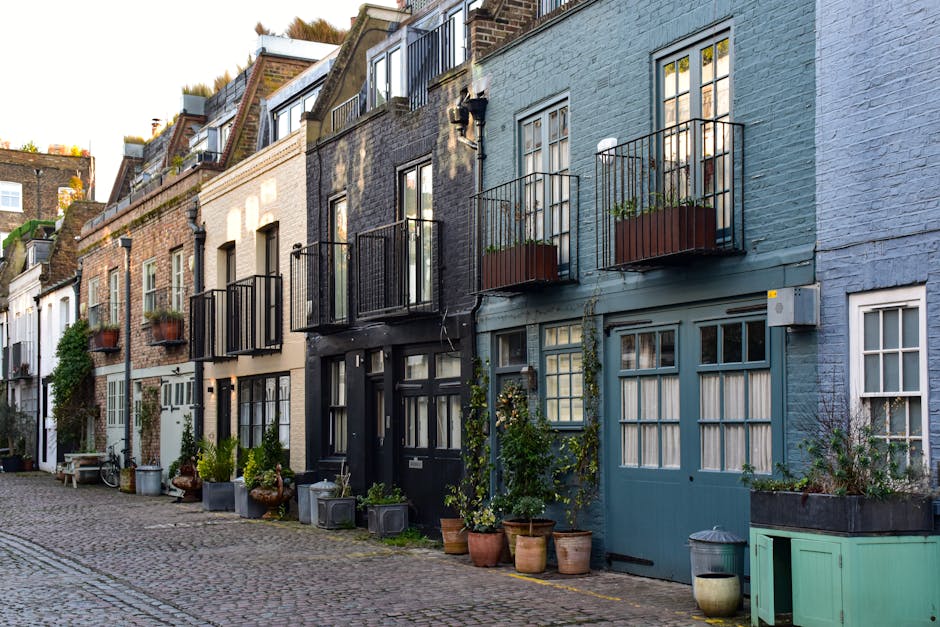
Best gardeners for Inverness Street balconies in Camden Town
If you live on or near Inverness Street and your outdoor space is really a balcony rather than a full garden, you already know the truth: every inch matters. A good balcony can be a morning-coffee spot, a quiet green retreat, or a tiny burst of colour above the traffic. The wrong setup, though, becomes clutter, wind damage, leaks, and plants that look miserable by midweek. This guide to the best gardeners for Inverness Street balconies in Camden Town explains how balcony gardening works, what to look for in a local gardener, and how to make a small space feel calm, stylish, and genuinely easy to live with.
We'll cover the practical side as well as the nicer bits-the plant choices, the maintenance routines, the common mistakes, and how to judge whether a gardener is actually right for a Camden Town balcony. To be fair, balcony gardening is a bit of a specialist job. It's not just "put a few pots out and hope for the best".
Table of Contents
- Why Best gardeners for Inverness Street balconies in Camden Town Matters
- How Best gardeners for Inverness Street balconies in Camden Town Works
- Key Benefits and Practical Advantages
- Who This Is For and When It Makes Sense
- Step-by-Step Guidance
- Expert Tips for Better Results
- Common Mistakes to Avoid
- Tools, Resources and Recommendations
- Law, Compliance, Standards, or Best Practice
- Options, Methods, or Comparison Table
- Case Study or Real-World Example
- Practical Checklist
- Conclusion
- Frequently Asked Questions
Why Best gardeners for Inverness Street balconies in Camden Town Matters
Balconies in Camden Town face a very different set of conditions from a sheltered suburban garden. You may have gusty wind between buildings, patchy light, reflected heat from brickwork, and a limited load-bearing surface. Add in neighbours above and below, shared access, and the need to keep things tidy, and suddenly "simple planting" becomes a design and maintenance task.
The best gardeners for Inverness Street balconies in Camden Town understand those constraints and work with them. They know how to choose plants that cope with breeze, how to arrange containers without blocking doors or drains, and how to keep the space attractive without making it fussy. That matters because balconies often fail for very ordinary reasons: too much weight, too much watering, poor drainage, or the wrong plant in the wrong light. Nothing glamorous, just basic issues that snowball.
A skilled local gardener also helps you avoid expensive trial and error. You don't need six versions of the same planter to learn that a fern hates your south-facing wall. You need a plan that fits the space from day one.
Expert summary: The best balcony gardeners are part plant specialist, part practical problem-solver. On a Camden balcony, design and maintenance have to work together; otherwise the nicest-looking setup becomes a chore.
If you're browsing providers, it helps to look at the wider service picture too. A company with clear services overview information, transparent pricing and quotes, and sensible policies around insurance and safety is usually a more reassuring starting point than a vague "we do everything" promise. Let's face it, that vague promise can mean almost anything.
How Best gardeners for Inverness Street balconies in Camden Town Works
Balcony gardening starts with assessment. A good gardener will first look at the basics: orientation, wind exposure, access, railings, drainage, weight limits, and how you actually use the space. That first conversation matters more than most people think. Why? Because a balcony used for morning tea needs a different layout from one used for storage, herbs, or evening entertaining.
From there, the work usually falls into a few stages:
- Space review: measuring the usable area and spotting pinch points like opening doors, narrow walkways, or awkward corners.
- Light and wind check: deciding which plants can thrive in shade, bright sun, or exposed conditions.
- Container plan: selecting pots, troughs, wall planters, or vertical features that suit the balcony without overcrowding it.
- Plant selection: choosing plants based on maintenance level, seasonal interest, and watering needs.
- Installation: positioning containers safely, improving soil, and making sure drainage behaves properly.
- Maintenance schedule: setting up regular care so the balcony stays tidy rather than slipping into chaos by the third rainy week.
For many Camden customers, the real value is ongoing upkeep. A balcony can look great at installation but need weekly or fortnightly care to stay healthy. That's where garden maintenance becomes more than a generic service name. On a small balcony, maintenance often means pruning, feeding, deadheading, checking for pests, and keeping the space clean enough to use properly.
If your balcony has become a bit overgrown or you're starting over, a light clear-out may be needed first. In those cases, garden clearance can help reset the space before planting begins. Sometimes that first reset is the difference between a frustrating mess and a nice little retreat. Simple, but true.
Key Benefits and Practical Advantages
The best gardeners for balcony spaces don't just "make it pretty". They solve real-life problems and make the space easier to enjoy. Here are the most useful benefits.
- Better use of limited space: a compact balcony can still feel layered and inviting when height, width, and movement are planned properly.
- Lower maintenance stress: the right plant mix means fewer dead pots and fewer emergency watering runs.
- Improved privacy: well-placed screening plants can soften sightlines without making the balcony feel boxed in.
- Seasonal colour: careful planting keeps the space looking alive through more than one season.
- Safer layout: a good plan keeps paths clear and avoids unstable pots or waterlogged surfaces.
- Better plant health: matching plants to actual conditions gives you a much higher chance of success.
There's also a quieter benefit: peace of mind. When the balcony is set up properly, you stop worrying about every gust of wind or every brown leaf. That matters more than people admit. A well-tended balcony feels like a small exhale at the end of the day.
For renters, especially, the right gardener can help design a setup that looks polished without permanent changes. For owners, the focus might be on longer-term planting, structural layout, or adding features such as screening or decking. If you're thinking beyond plants alone, landscaping and landscape gardening services may be relevant, particularly where the balcony connects to a terrace or roof-space style layout.
Who This Is For and When It Makes Sense
This kind of service makes sense for a wide range of people in Camden Town. You might be in one of these situations:
- You've just moved into a flat near Inverness Street and want the balcony to feel more like home.
- Your current pots are surviving, but only just, and the setup looks tired.
- You want a low-maintenance green space but don't know what will actually survive the wind and shade.
- You're preparing the flat for sale or rental and want a cleaner, more appealing outdoor area.
- You need help after a busy season when everything has gotten a bit unruly.
It also makes sense if you have a balcony that is technically usable but practically awkward. Maybe it gets strong morning sun, maybe it's gloomy by lunchtime, or maybe there's not enough room for anything beyond two chairs and a planter. That's fine. Really. Small spaces are often the best spaces when they're handled with a bit of care.
You may not need a full redesign. Sometimes you just need smarter plant selection, tidier arrangement, and regular upkeep. If the balcony includes timber features or a raised platform, you may also benefit from decking services to improve the surface and make the space feel more finished.
Step-by-Step Guidance
If you want to choose the right gardener for an Inverness Street balcony, a simple process works best. No drama, no guesswork.
- Define your goal. Do you want privacy, herbs, flowers, low maintenance, or a design-led space? The clearer the goal, the better the result.
- Measure and photograph the balcony. A few wide-angle photos and rough dimensions help a gardener make sensible recommendations before visiting.
- Assess sun, shade, and wind. Note when the balcony gets direct sun, where wind hits hardest, and whether nearby buildings create shelter.
- Decide your maintenance level. Be honest here. If you travel often, choose tougher plants and simpler containers.
- Ask for a planting plan. The best gardeners should explain why they are choosing certain species, not just hand over a list with a shrug.
- Agree the installation approach. Clarify drainage, lifting, safe positioning, and whether any old containers need clearing away first.
- Set a maintenance routine. Weekly, fortnightly, or seasonal care should be realistic, not idealised.
- Review after the first month. A short check-in helps adjust watering, spacing, or plant choice if something is not quite right.
A practical gardener will often suggest a phased approach. For example, start with structural layout and a few core planters, then add seasonal colour later. That way, you don't crowd the balcony from day one. It's a bit like arranging furniture in a tiny room: do too much too soon and the place feels smaller than it is.
Expert Tips for Better Results
Here's the part that tends to separate an average balcony setup from a genuinely good one.
Choose plants for the environment, not the picture
That lush plant you saw online may look gorgeous, but if it hates wind or dry roots, it won't stay gorgeous for long. On exposed Camden balconies, tougher evergreen structure often works better than delicate showpieces.
Think in layers
A good balcony usually has three layers: floor-level containers, mid-height foliage, and something vertical such as a trellis or tall planter. This creates depth without using too much floor space. You will notice the difference immediately, even if the balcony is only a few square metres.
Use fewer, better containers
Too many small pots can make a balcony look busy and difficult to maintain. Fewer larger containers often hold moisture better and create a cleaner visual line. Plus, they're less likely to topple in wind. Handy, that.
Balance style and watering needs
Mixing plants with wildly different watering schedules is a common trap. If everything in the same zone likes similar conditions, care becomes much easier.
Leave breathing room
Small spaces need negative space. That empty corner or clear strip near the door is not wasted. It makes the whole balcony more usable.
For ongoing care, a service built around lawn mowing may not be the main fit for most balconies, but the same attention to regular cutting and neat finish is still useful as a mindset: tidy, consistent, and unglamorous where needed. In balcony work, neatness is half the design.
Common Mistakes to Avoid
Some balcony problems are just very avoidable, which is good news because they can be expensive or annoying to undo.
- Choosing plants that are too large: many balcony spaces get overwhelmed by containers that seemed "fine online".
- Ignoring wind: tall, top-heavy arrangements may need anchoring or different placement.
- Forgetting drainage: waterlogged roots are a fast route to unhappy plants and messy surfaces.
- Blocking access: a balcony still has to function as a balcony. Doors should open cleanly and walkways should remain clear.
- Overcomplicating the design: too many materials, colours, or pot types can make a tiny space feel cramped.
- Leaving maintenance vague: if nobody is responsible for care, the balcony will drift.
One of the most common issues is simply buying plants before understanding the light. It sounds obvious, but people do it all the time. A sunny morning can look very convincing from inside the kitchen, and then the poor plant spends the rest of the day cooking against a wall.
If a balcony has old dead plants, failed soil, or leftover clutter, start by clearing properly rather than layering new items over the mess. A bit of reset work now saves headaches later. That's where a straightforward clearance approach can be the sensible move.
Tools, Resources and Recommendations
You do not need a shed full of gear for a balcony, but the right tools make maintenance much easier.
- Watering can or compact hose solution: useful for controlled watering without flooding the balcony.
- Good-quality compost: container planting depends on healthy growing medium, not just the plant itself.
- Pruners and scissors: for deadheading, trimming, and general tidy-ups.
- Gloves: simple, but very helpful when dealing with thorns or rough containers.
- Saucers or drip trays: useful if you need to protect surfaces below.
- Lightweight planters: important where weight and moving flexibility matter.
When comparing providers, look for plain-English information on working methods, safety, and payment. A decent company should make it easy to understand how it handles jobs and what happens next. You can usually learn a lot from how clearly they explain things on pages like payment and security and whether they publish a transparent about us page that sounds grounded rather than polished to the point of suspicion.
And if you care about waste reduction and long-term upkeep, it's worth asking about reuse, composting, and responsible disposal. The page on recycling and sustainability is also a good sign that the company thinks beyond the quick fix.
Law, Compliance, Standards, or Best Practice
For balcony gardening, the main compliance concerns are practical rather than dramatic. That said, they matter.
First, check any lease, building, or management rules that apply to your flat. Some properties have restrictions on heavy items, drilling, water drainage, screens, or items visible from the outside. You don't want to spend money on a beautiful setup and then discover it is not permitted. Not ideal, obviously.
Second, keep load and drainage in mind. Balconies are structural spaces, so heavy planters, soaked soil, and water features need careful thought. A professional gardener should treat this seriously and avoid encouraging risky setups. If they brush past weight or safety concerns, that's a red flag.
Third, look for good practice around insurance and safe working. When a team is carrying tools, lifting containers, or working at height, they should know how to do it safely. You can also review the company's health and safety policy and insurance and safety information for reassurance.
Finally, if any work involves access arrangements, neighbour consideration, or communal areas, communication matters. A careful gardener will keep noise, debris, and water use sensible and respectful. That's not just best practice; it's basic good manners.
Options, Methods, or Comparison Table
If you are deciding how to improve a balcony, it helps to compare the main approaches. The right choice depends on budget, how much time you want to spend on care, and whether you want a quick refresh or a longer-term transformation.
| Approach | Best for | Pros | Trade-offs |
|---|---|---|---|
| Plant refresh only | People who already have containers but need better plants | Lower cost, quicker to complete | Limited impact if the layout is poor |
| Full balcony design and planting | New moves, redesigns, or tired spaces | More cohesive result, better use of space | Takes more planning and usually more budget |
| Maintenance-led care | Busy households or landlords | Keeps the balcony tidy over time | Works best when setup is already sensible |
| Clearance then rebuild | Overgrown or neglected balconies | Resets the space properly | Can feel like a bigger job at the start |
If you are looking for a finished outdoor feel rather than just plants, pairing planting with broader outdoor improvements can help. In some cases, landscaping or even a tidy structural touch-up through decking services may make the space more usable and easier to care for long term.
Case Study or Real-World Example
Here's a realistic example. A Camden resident on Inverness Street had a small balcony with two ageing planters, a folding chair, and a lot of wasted corner space. The balcony got strong afternoon light but also quite a bit of wind. The owner wanted "something green" without spending every weekend watering or sweeping up soil.
The practical fix was simple rather than flashy. The gardener removed the dead containers, kept the layout open, and used a mix of sturdier evergreen structure, a couple of seasonal colour plants, and one taller screen element for privacy. The taller items were placed where the wind was less severe, while the more delicate plants were grouped closer to the sheltered wall. Watering became easier because the planters were grouped by need.
After the first month, a small adjustment was made: one plant was moved because it was getting too much reflected heat. Nothing dramatic. Just a small tweak, which is often how good balcony gardening works in real life. The result was a quieter, more welcoming space that felt deliberate rather than improvised. And importantly, it stayed manageable.
That's the kind of transformation you want. Not a magazine fantasy, just a balcony that looks like someone cares and actually uses it.
Practical Checklist
Use this checklist before you book a gardener or start a balcony project:
- Have I measured the usable balcony space?
- Do I know how much sun and wind it gets?
- Is my main goal privacy, colour, herbs, or low maintenance?
- Do I know how often I can realistically water and tidy?
- Have I checked any building or lease restrictions?
- Are the proposed plants suitable for containers and balcony conditions?
- Will the layout leave clear access to the door and walkways?
- Are drainage and runoff being handled properly?
- Do I understand the maintenance plan after installation?
- Does the gardener explain their approach clearly and confidently?
If you can answer most of those, you're already ahead of the game. Honestly, that alone filters out a lot of bad choices.
Conclusion
The best gardeners for Inverness Street balconies in Camden Town are the ones who understand small-space realities: wind, light, weight, maintenance, and the need to make every square foot pull its weight. Good balcony gardening is not about cramming in more plants. It's about choosing the right ones, placing them thoughtfully, and keeping the setup simple enough to live with.
When you find the right gardener, the balcony stops being a slightly awkward outdoor ledge and becomes part of the home. Quiet. Useful. A bit restorative, even on busy London days. That's a lovely thing to have.
If you're ready to take the next step, compare services, ask a few direct questions, and look for a provider that explains things clearly. The right fit will usually feel obvious once you've spoken to them.
Get a free quote today and see how much you can save.
Frequently Asked Questions
What should I look for in a gardener for a Camden Town balcony?
Look for someone who understands container planting, wind exposure, drainage, and small-space design. A good balcony gardener should ask about light, access, and how much maintenance you want, not just offer generic plant suggestions.
Do balcony gardens need more maintenance than ground-level gardens?
Often, yes. Containers dry out faster, exposed balconies can be windier, and plants have less root space. That means watering, feeding, and pruning usually need a more regular routine.
Can a small balcony still have a proper garden feel?
Absolutely. In fact, a small balcony can feel especially well-designed when the layout is carefully planned. A few larger containers, vertical planting, and a clean arrangement often work better than lots of tiny pots.
What plants usually work best on exposed balconies?
Tougher container plants with good wind tolerance tend to work best. The exact choice depends on light levels and how sheltered the balcony is, but a sensible gardener will match the plants to the real conditions rather than the dream version.
How do I know if my balcony can take heavy planters?
If you're unsure, ask your landlord, building manager, or a qualified professional for guidance. A responsible gardener should avoid encouraging heavy or risky setups without considering load and drainage.
Is garden clearance useful for balconies?
Yes, especially if the balcony has old soil, dead plants, broken pots, or clutter. Starting with a clear space makes planning easier and helps prevent problems from being hidden under new planting.
How often should a balcony be maintained?
That depends on the planting and the season, but many balconies benefit from weekly or fortnightly checks. During warmer periods, watering and deadheading may need to happen more often.
Can a gardener help make a balcony more private?
Yes. Screening plants, taller containers, and thoughtful placement can soften sightlines without making the space feel boxed in. Privacy can be improved quite a lot, actually, even in a small footprint.
What if my balcony gets very little sun?
Then you need shade-tolerant plants and a design that works with low light rather than fighting it. A balcony with limited sun can still look good, but plant choice becomes even more important.
Should I choose a one-off installation or regular maintenance?
If you enjoy gardening and have time, a one-off installation may be enough. If you're busy or want the space to stay tidy all year, regular maintenance is usually the safer choice.
Are decking or hard-landscape features ever worth it on a balcony?
Sometimes. If the balcony surface is tired or you want a more polished finish, decking or small structural improvements can make the space feel more usable. It depends on the building, budget, and permissions, of course.
How do I compare gardeners fairly?
Compare them on clarity, experience with small spaces, maintenance options, and safety awareness. The best provider will explain what they'll do, why they're doing it, and how the balcony will be cared for afterwards.
If you're still deciding, focus on the basics: good advice, sensible planting, and a layout that feels easy to live with. That's where the real value is, and honestly, that's what most people want in the end.