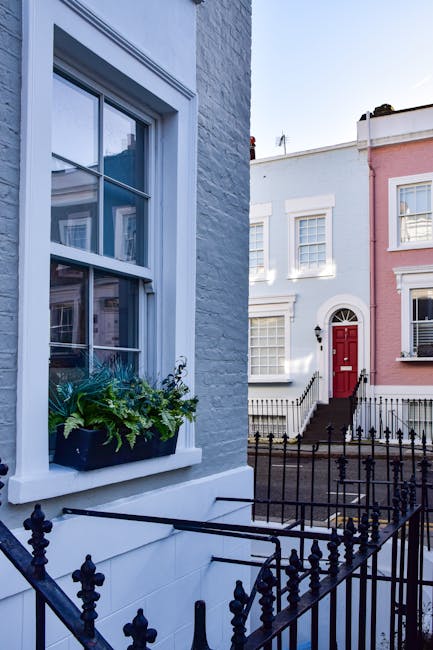
Access problems for Camden Town garden maintenance on narrow terraces
Narrow terraces in Camden Town can make garden upkeep feel awkward before the work even starts. A mower won't fit through the side return, the compost bag has to be carried carefully down a tight passage, and a simple hedge trim can turn into a mild game of Tetris. If you are dealing with access problems for Camden Town garden maintenance on narrow terraces, you are not alone. In fact, the challenge is often less about gardening skill and more about planning the route, the tools, and the order of work.
This guide breaks down what access issues usually look like on compact London terraces, why they matter, and how to handle them without damaging fences, paving, plants, or your back. We will also cover practical steps, common mistakes, compliance points, and the kind of service mix that tends to work best in tight spaces. If you are comparing options, you may also find it helpful to look at the wider services overview and ongoing garden maintenance support available for regular upkeep.
Table of Contents
- Why access problems matter on narrow Camden terraces
- How garden maintenance access is managed
- Key benefits of planning access properly
- Who this is for and when it makes sense
- Step-by-step guidance for smoother access
- Expert tips for better results
- Common mistakes to avoid
- Tools, resources and recommendations
- Law, compliance, standards and best practice
- Options, methods and comparison
- Case study or real-world example
- Practical checklist
- Conclusion
- Frequently asked questions
Why Access problems for Camden Town garden maintenance on narrow terraces Matters
Access shapes everything. If gardeners cannot get materials in and green waste out efficiently, even a small maintenance visit can take longer, cost more, and create more disruption than it should. On Camden terraces, that matters because many gardens are tucked behind the house, reached through a kitchen, a side passage, or a single narrow door. Some are perfectly manageable, but many have one or two awkward pinch points that decide the whole job.
Why does this matter so much? Because access influences the type of tools used, the size of team needed, how long a visit takes, and whether certain tasks should be done at all in one appointment. A narrow route may be fine for hand tools and bags, but not for larger clearance work, heavy timber, or bulky materials. If the access plan is weak, small jobs become stop-start jobs. And stop-start jobs are where frustration creeps in.
There is also a practical side that homeowners often discover only once work begins: narrow terraces are easier to damage than open gardens. A wheelbarrow can scrape painted walls, sacks can snag on railings, and wet soil on a narrow path becomes a slip hazard. To be fair, it is not dramatic most of the time. It is just one of those things that either runs smoothly or becomes a faff very quickly.
Practical takeaway: on narrow Camden terraces, access is not a side issue. It is part of the garden plan, the quote, the time estimate, and the safety setup.
How Access problems for Camden Town garden maintenance on narrow terraces Works
Good garden maintenance on a narrow terrace starts with a simple question: how does the team get in, work safely, and get out again with as little disruption as possible? That sounds obvious, but it is the point many jobs miss. Access planning usually begins before the first tool is unpacked.
In practice, the process is usually something like this:
- Check the route in and out. Measure gate widths, doorway widths, passage lengths, and any tight turns.
- Identify hazards. Look for steps, slippery paving, fragile pots, low walls, glass, cables, or awkward door furniture.
- Match the tools to the route. Hand tools, folding carts, smaller mowers, and bagged waste often work better than bulky gear.
- Plan the work sequence. For example, pruning and cutting back before lawn mowing, or clearance before fine-detail maintenance.
- Agree waste handling. On narrow access jobs, waste may need to be bagged and carried out in smaller loads rather than moved in one go.
- Protect the property. Covers, matting, corner protection, and careful carrying reduce knocks and scuffs.
The real trick is that access planning is not just about physical entry. It also affects how a gardener thinks. For example, if a terrace garden can only be reached through a kitchen, the team may need to keep mud down, work from clean to dirty areas, and limit repeated trips indoors. That is not glamorous, but it is how tidy work happens in the real world.
For recurring jobs, the access approach becomes even more valuable. Regular lawn mowing, hedge trimming, and light garden maintenance become much easier once the route and set-up are understood. If you are considering a broader maintenance schedule, lawn care support and hedge trimming can often be organised around the same access plan.
Key Benefits and Practical Advantages
When access is handled well, the benefits show up everywhere, not just in the finished garden.
- Less disruption inside the home. Fewer muddy footprints, fewer repeated trips, less noise at odd angles through the house.
- Faster completion. A good route and sensible tool choice saves time, and time matters in tight urban settings.
- Lower risk of damage. Walls, paving, railings, and doors are less likely to get knocked or marked.
- Safer working conditions. Clear access reduces trips, awkward lifting, and pinch-point accidents.
- Better waste removal. Green waste can be separated, bagged, and moved out in a cleaner, more controlled way.
- More accurate pricing. Once access is understood, quotes are usually more realistic. No one likes a job that was under-quoted because the route was underestimated.
There is a less obvious benefit too: the garden often looks better afterward because the team is not rushing. When access is tight, rushed work is where the corner gets cut, literally and figuratively. A tidy, measured setup usually produces a cleaner result. Funny how that works.
Who This Is For and When It Makes Sense
This topic matters most for people with rear gardens behind terraced or mid-terrace homes in Camden Town, especially where access is through the house or via a slim side passage. It also applies if you have a basement-level garden, split-level yard, or shared access route with neighbours. If the space is compact enough that a full-size mower barely makes sense, you are in the right territory.
It makes sense to think hard about access if you are dealing with any of the following:
- regular lawn maintenance on a long, narrow garden
- hedges that overhang fencing or a shared boundary
- overgrown planting that makes pathways tighter
- routine clear-ups where waste has to be carried out by hand
- heavy pruning, shrub removal, or small tree work
- a garden that is perfectly reachable, but only through a delicately furnished kitchen or hallway
If the job is larger, such as a major tidy-up or a one-off reset, access becomes even more important. In those cases, garden clearance may be the more sensible route than trying to treat the work as standard maintenance. Truth be told, some gardens need a reset before they can be maintained properly.
This is also for landlords, managing agents, and busy homeowners who need predictable upkeep. A maintenance plan is much easier to live with when the access arrangements are already thought through, rather than discovered at the door with a wheelbarrow in hand. That would be a bit of a mess, wouldn't it?
Step-by-Step Guidance
Here is a practical way to approach access problems without overcomplicating things.
- Walk the route slowly. Start from the street or entrance and follow the exact path the work team would take. Notice every turn, step, latch, and narrow gap.
- Measure the tight bits. Do not guess. A few centimetres can decide whether a mower, ladder, or bag trolley is realistic.
- List what needs moving. Pots, furniture, recycling bins, hose reels, and plant supports all add friction if they sit in the way.
- Separate the job into stages. For example: clear access, prune, collect waste, tidy surfaces, then final detail work.
- Choose lighter, narrower equipment. Hand tools and compact machines often outperform larger kit in terraces because they create less risk and less noise.
- Protect internal routes. If the garden is reached through the house, lay down protection where needed and keep the route as short as possible.
- Plan waste removal from the start. If bags have to pass through the property, decide where they will be staged so nothing blocks doors or walkways.
- Leave room for the unexpected. A hidden root, a wet path, or a gate that sticks can change the flow, so build in a little breathing space.
A small but useful habit: ask the gardener what they need cleared before arrival. That one conversation often saves ten minutes of shuffling plants around on the day. Sometimes more. And on a narrow terrace, ten minutes matters more than you think.
Expert Tips for Better Results
In our experience, the best access outcomes come from boring decisions made early. Not exciting, but effective.
- Keep the access line as straight as possible. Every extra bend adds handling time and risk.
- Use smaller waste loads. Overfilled bags are a nuisance in narrow hallways and can split at the worst moment.
- Work top-down where you can. Prune, cut back, then clear. It prevents the same debris being handled twice.
- Protect corners and paintwork. A folded towel or proper padding in the right place can stop an avoidable scrape.
- Keep tools within reach. Hunting for shears in a cramped space wastes energy and makes the job feel messy.
- Schedule more frequent light maintenance. Smaller, regular visits are often easier than one large visit on a tricky terrace.
If you are planning a wider redesign that might improve access, it can help to think beyond maintenance alone. A better path, a more practical surface, or a carefully placed timber edge can make future work much easier. That is where landscaping support and landscape gardening can be part of the solution, especially if the garden layout itself is the root of the problem.
One more thing. Do not underestimate simple weather. A damp Camden morning can make narrow paving feel slippery and awkward, especially when carrying cuttings. It sounds obvious. Still worth saying.
Common Mistakes to Avoid
Access issues are usually manageable, but a few common mistakes make them worse than they need to be.
- Assuming standard equipment will fit. Many compact gardens need compact tools. There is no shame in that.
- Underestimating waste volume. A small-looking hedge can create a surprising mountain of cuttings.
- Ignoring internal routes. If the only way through is via the kitchen, the home needs protecting as much as the garden.
- Leaving clutter in place. Garden furniture, toys, and pots often steal the space needed for safe movement.
- Skipping a route check before the quote. That is how surprises happen later.
- Trying to do everything in one pass. On narrow terraces, a staged approach is nearly always cleaner.
There is also a subtle mistake that people do not always spot: choosing a service based on price alone without asking how access will be handled. A cheaper quote may look appealing at first, but if it does not account for a tricky route, it can lead to delays, add-ons, or frustration. Not ideal. Not at all.
Tools, Resources and Recommendations
The best tools for narrow terrace maintenance are not necessarily the biggest or most powerful. They are the ones that fit the space and reduce handling.
| Item or approach | Best use on narrow terraces | Why it helps |
|---|---|---|
| Hand tools | Pruning, edging, fine detailing | Light, precise, easy to carry through tight routes |
| Compact mower | Small lawns with a narrow run | Easier turns and less risk of scuffing surfaces |
| Foldable trolley or bags | Waste movement | Helps move cuttings out in manageable loads |
| Surface protection | Indoor routes and fragile paving | Reduces marks, mud transfer, and accidental damage |
| Measuring tape | Route planning | Stops guesswork about widths and turning space |
For homeowners, one of the simplest recommendations is to keep a clear note of gate widths, awkward steps, and any access quirks. It sounds almost too basic, but it is useful every single time. If you need help understanding service scope or what type of visit suits your space, the pricing and quotes information can be a helpful starting point, especially when access affects time on site.
And if sustainability matters to you, it should, then it is worth asking how green waste is handled. A tidy route and sensible segregation can make recycling and sustainability practices easier to follow, which is good for the garden and the broader neighbourhood feel.
Law, Compliance, Standards, or Best Practice
For most domestic terrace gardens, the issue is less about formal regulation and more about safe working practice. Still, good practice matters. In a narrow setting, the risk of slips, trips, cuts, lifting injuries, and accidental damage rises if the team is not organised. That is true whether the job is a light tidy or a more involved clearance.
Here are the main points worth keeping in mind:
- Safe access and egress: people need a clear way in and out, especially if tools or waste are being moved repeatedly.
- Manual handling: heavy or awkward loads should be split into smaller, safer lifts where possible.
- Household protection: where the route passes through the property, reasonable care should be taken to reduce dirt and damage.
- Risk awareness: wet paving, uneven steps, low branches, and sharp materials should be treated as real hazards, not minor annoyances.
- Insurance and accountability: it is sensible to work with people who can explain how they manage property protection and liability concerns.
If you want more detail on operational standards, it is sensible to review health and safety guidance and insurance and safety information. Those pages help set expectations for cautious, professional work in tight spaces.
For business customers, landlords, or anyone arranging repeat visits, a clear service agreement also helps. The terms and conditions should make it easier to understand what is included, what counts as extra work, and how access-related limitations are handled. Plain speaking beats confusion every time.
Options, Methods, or Comparison Table
Not every narrow terrace needs the same approach. The best method depends on the garden's layout, the amount of waste, and how often the space is maintained.
| Method | Best for | Pros | Trade-offs |
|---|---|---|---|
| Light regular maintenance | Small gardens with modest growth | Quick, tidy, low disruption | Needs consistency |
| Staged maintenance visits | Gardens with very tight access or mixed tasks | Safer handling, better attention to detail | Can take more planning |
| One-off clearance then maintenance | Overgrown or cluttered terraces | Resets the space and improves access | More intensive at the start |
| Layout-led landscaping changes | Terraces with a poor route or awkward structure | Can improve access long term | Needs more investment and planning |
In simple terms: if the garden only needs routine care, keep the routine light and regular. If access is the main issue, fix the route first or combine the job with a tidying reset. And if the layout itself is causing the same problem again and again, a structural rethink may be worth it.
A lot of homeowners realise this after one difficult season. Once the overgrowth is gone, the garden suddenly feels twice as usable. Small space, same garden, but a very different mood.
Case Study or Real-World Example
Here is a realistic example based on the kind of situation often seen in Camden terraces. A rear garden behind a Victorian terrace has a narrow house entry, a slim paved path, and a long run to the back boundary. The lawn is small, but the borders are full, the hedge has pushed into the route, and there are several pots sitting exactly where the carrying space should be. Nothing dramatic. Just enough friction to slow everything down.
Instead of trying to push bulky tools through the space, the job is split into stages. The route is cleared first, then the hedge is trimmed back before anything else is moved. Green waste is bagged in smaller loads and taken out gradually. The lawn is cut with a compact mower, and the final edge work is done by hand. The result is not just a cleaner garden, but a calmer visit. Less back-and-forth, fewer near-misses, fewer muddy prints through the kitchen.
What made the difference was not a fancy tool or a special trick. It was sequencing. Once the access route was treated as part of the job rather than a separate nuisance, the whole visit ran better. That is usually the pattern in narrow terraces. Small planning, big relief.
Practical Checklist
Use this checklist before any maintenance visit on a narrow Camden terrace:
- Measure the narrowest parts of the route in and out
- Clear away pots, bins, furniture, and loose clutter
- Confirm whether access is through the house or side passage
- Check for steps, slippery paving, or tight turns
- Decide where waste will be bagged and staged
- Protect indoor routes if tools or cuttings pass through the property
- Ask whether compact equipment is needed
- Separate urgent clearance from routine maintenance
- Flag fragile features such as painted walls, glass, or old brickwork
- Leave a little extra time for awkward handling
If the garden is already overgrown, combining the first visit with clearance work can be the easiest way to restore safe access before regular upkeep begins.
Get a free quote today and see how much you can save.
Conclusion
Access problems for Camden Town garden maintenance on narrow terraces are common, but they do not have to make upkeep stressful. When the route is measured, the tools are chosen carefully, and the work is staged properly, even a tight terrace can be maintained cleanly and safely. The garden feels easier to live with, the house stays tidier, and the work tends to run on time. That is really the goal, isn't it?
If your terrace has become awkward to manage, start with the access route before you start thinking about the plants. Once that part is sorted, everything else becomes more straightforward. Small space, yes. Impossible space, no. And that is a reassuring thing to know.
Frequently Asked Questions
What are the most common access problems on Camden Town terraces?
The most common issues are narrow doorways, tight side passages, limited turning space, steps, slippery paving, and the need to carry waste through the house. Those features can slow down even simple garden maintenance.
Can garden maintenance still be done if the only access is through the house?
Yes, in many cases it can. The key is protecting floors and walls, keeping the route as short and clean as possible, and using compact tools and smaller waste loads.
Why does access affect the price of garden maintenance?
Because tight access usually takes longer and may require more careful handling, smaller equipment, or extra time for waste removal. A realistic quote should reflect the actual route, not just the size of the garden.
Is a narrow terrace garden harder to maintain all year round?
Usually, yes. Growth can quickly crowd pathways and make movement awkward. Regular light visits are often easier than letting the space build up and then trying to tackle everything at once.
What should I clear before a gardener arrives?
Move pots, furniture, bins, toys, and anything fragile away from the main route. If you can clear the access line before the visit, the job usually starts much more smoothly.
Do I need special tools for a narrow terrace garden?
Not always special tools, but often smaller or more compact ones. Hand tools, folding carts, and narrow equipment are generally more suitable than bulky gear in tight Camden spaces.
How do gardeners handle green waste in narrow access gardens?
They usually bag it in manageable loads and move it out in stages. In some gardens, waste needs to be staged carefully to avoid blocking the route or damaging surfaces.
Can access issues damage my property?
They can if the work is rushed or poorly planned. Scraped paintwork, muddy floors, broken pots, and scuffed paving are common risks, which is why protection and good sequencing matter.
When should I consider garden clearance instead of normal maintenance?
If the garden is overgrown, cluttered, or blocked by debris, clearance may be the better first step. Once access is restored, routine maintenance becomes much easier to manage.
What is the best way to make future visits easier?
Keep access routes clear, trim growth before it closes in on pathways, and schedule regular maintenance rather than waiting until the garden is difficult to move around in. Small habits save a lot of hassle later.
Should I ask about health and safety before booking?
Yes. On narrow terraces, safety planning is not a box-ticking exercise. It is worth asking how the team handles access, property protection, waste movement, and insurance-related concerns.
Where can I find more about the service options available?
The most useful place to start is the services overview, then review the pages that match your garden's needs, such as maintenance, clearance, or landscaping support.